






500+ 5-Star Reviews
Picky Eating & Feeding Help for Kids
Mealtime Made Simple: Confident Eaters, Calmer Tables
Helping families turn picky eating into peaceful eating.
Why Parents Reach Out to Us About Mealtime
These are very common concerns — and most of the time, they reflect normal developmental eating patterns, not a feeding disorder.
Our
Feeding & Mealtime Wellness Visit helps families bring calm, confidence, and connection back to the table so children can explore food without pressure and parents can breathe easier.
Watch the Full Episode:
If mealtime feels tense or confusing, you're not alone.
This short clip explains why picky eating is so common and why it can still feel overwhelming for families.
Understanding “Picky Eating”
Up to 50–70% of toddlers experience selective eating phases.
It’s developmentally normal for children to:
prefer familiar foods
reject foods they loved last week
avoid mixed textures
refuse vegetables
go through “beige-only” phases
eat differently at school vs. home
insist on specific brands or presentations
These patterns often reflect independence, sensory exploration, and normal developmental control, not a disorder.
With structure, routine, and positive exposure, most children naturally expand their food range over time.
When It’s Developmental vs. When It’s Clinical
| Picky Eater (Normal Variation) | Problem Feeder (Needs Therapy Evaluation) |
|---|---|
| Eats 10+ foods, even if limited | Eats fewer than 10 foods total |
| Drops foods gradually but may pick them back up | Loses foods and never regains them |
| Tolerates new foods on the table or plate | Cannot tolerate new foods in the same room |
| May gag occasionally | Gags, coughs, or chokes frequently and consistently |
| Growth and nutrition remain typical | Growth faltering, weight loss, medical concerns |
| Eats from at least 2–3 food group | Avoids entire food groups or textures |
| Stressful meals but child eventually warms up | Intense distress, meltdowns, or fear at mealtime |
| Eats differently in different settings (normal) | Severe feeding issues across all settings |
Watch the Full Episode:
Most families fall on the wellness side where reassurance, structure, and supportive strategies make the biggest difference.
If any red flags emerge, your team can guide families toward a full feeding evaluation.
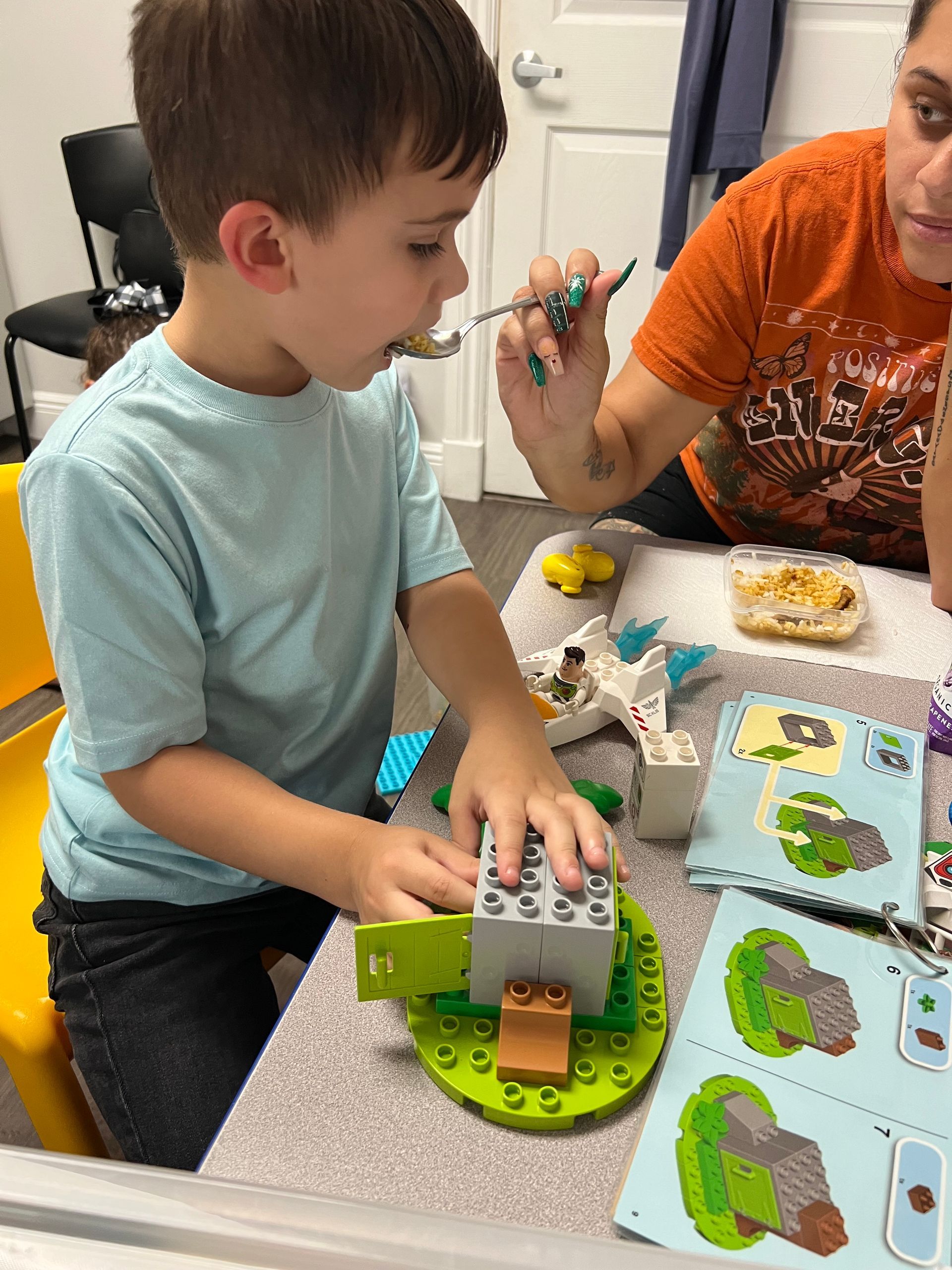
How a Feeding & Mealtime Wellness Visit Helps
During this wellness visit, our licensed feeding specialists help families:
- Create predictable routines that reduce mealtime stress
- Introduce new foods through exploration, not pressure
- Use play to build confidence with textures, smells, and flavors
- Support balanced nutrition without power struggles
- Use positive language that encourages curiosity, not anxiety
- Include children in meal preparation to build ownership and comfort
- Set up family meals that feel calm, connected, and enjoyable
You’ll leave with simple, practical strategies that fit your child’s developmental stage and your family’s lifestyle.
The Wellness Pathway
Families seeking proactive, supportive guidance (without an evaluation or referral) can schedule a
Feeding & Mealtime Wellness Visit at any age.
If signs of a true feeding disorder appear, we help families understand the next steps with clarity and care.
Each visit includes:
- A look at your child’s current eating patterns and mealtime behaviors
- Guidance on identifying what is typical vs. what may need support
- Play-based feeding strategies tailored to your child
- Family-friendly routines that build peaceful meals
- Tools to reduce stress and increase success at the table
Get Started
Ready to enjoy mealtime again?
Here’s how to begin:
01.
Fill out the form below
02.
Our admin team reviews your concerns and pairs you with a feeding specialist
03.
We contact you to schedule your Feeding & Mealtime Wellness Visit
Frequently Asked Questions
What is the Feeding & Mealtime Wellness Visit?
It's a guidance visit that helps families address picky eating and mealtime stress using play-based strategies, without requiring a formal feeding evaluation.
How common is picky eating, really?
Very common — up to 50 to 70% of toddlers go through a selective eating phase, so if mealtimes feel like a struggle right now, you're far from alone.
What happens during the visit?
A licensed feeding specialist reviews your child's current eating patterns and mealtime behaviors, helps you understand what's typical development versus a clinical concern, and gives you play-based feeding strategies suited to your child's stage.
What kind of strategies can we expect?
Strategies focus on exposure without pressure, involving your child in meal prep, using positive language around food, and building predictable routines — all aimed at reducing power struggles and building your child's confidence with new foods.
What age is this visit appropriate for?
This visit is available for children of any age.
Is this covered by insurance?
No, this is a private-pay program and is not billed to insurance.
Where is this visit offered?
In person at Boca Raton, Lake Worth, or West Palm Beach, or through teletherapy.