
Why Does My Toddler Climb Everything? Understanding Sensory-Motor Development
One child climbs every couch and playground structure. Another hesitates at the swings, avoids messy textures, or watches other children before joining in.
Are these simply different personalities, or could sensory-motor development be part of the picture?
In Beyond the Caseload: The Wellness Series, Gabrielle speaks with Ms. Teresa and Ms. Brittany about how movement and sensory experiences support childhood development.
How the Senses and Movement Work Together
Children rely on touch, vision, balance, and body-position information to understand their surroundings and guide movement.
Teresa compares the brain to an air traffic controller coordinating information from different systems. Brittany gives the example of a baby touching a blanket and learning through the experience.
These systems work together during everyday activities such as reaching for a toy, climbing stairs, or playing on a swing.
Toddlers Are Little Sensory Scientists
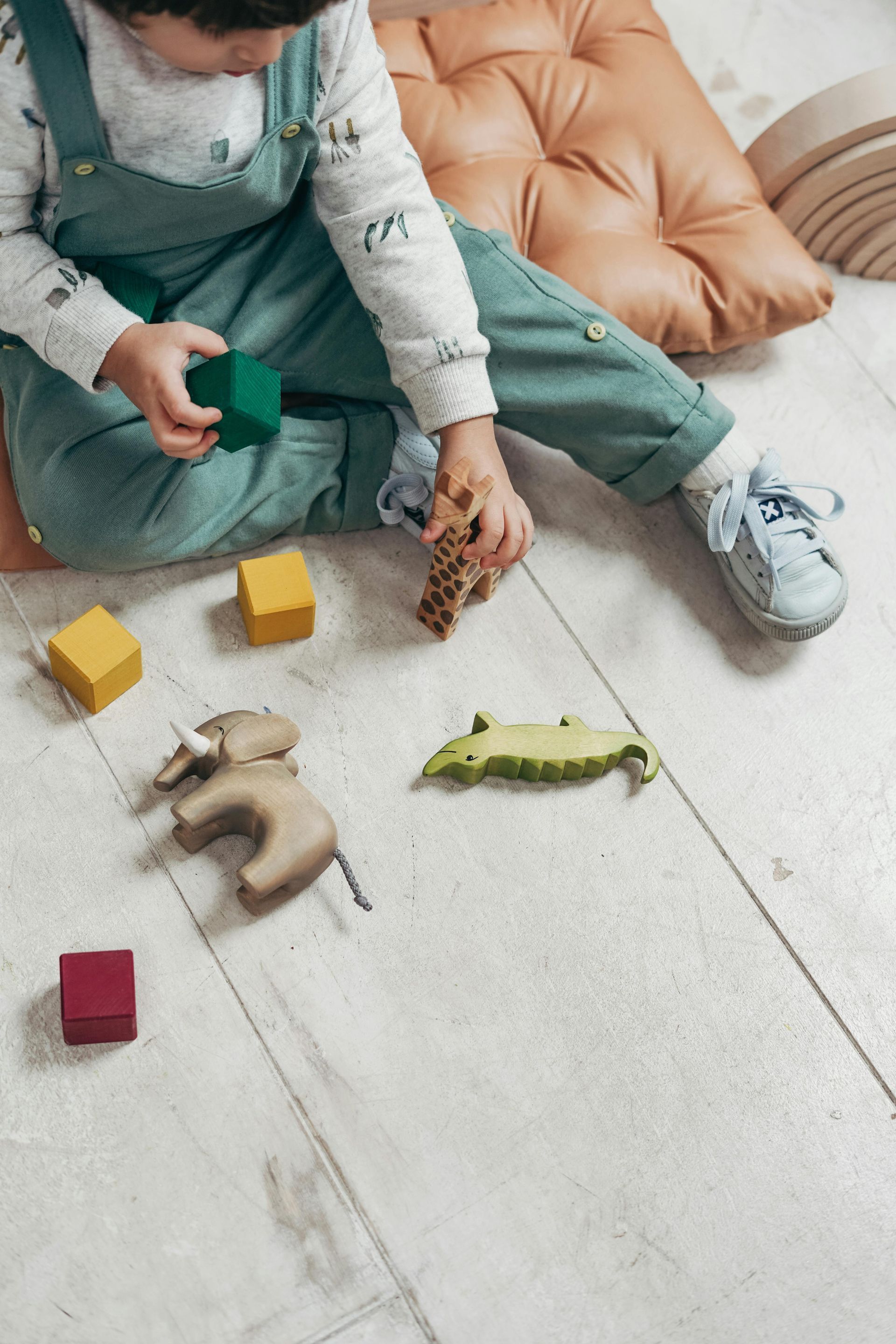
The therapists describe babies rolling and crawling, toddlers climbing and spinning, and preschoolers developing more complex motor planning.
Teresa calls toddlers “little sensory scientists.” A child crawling under a table, for example, is learning about body position and space. They adjust movements as they gain experience.
Exploration can look messy or repetitive to adults, but it often provides meaningful learning opportunities.
Not Every Sensory Preference Is a Disorder
Teresa compares one of her more cautious children with a more adventurous child. Their approaches to movement were different, but difference alone is not a diagnosis.
A child may dislike sticky hands or need extra time before trying a swing. The important question is whether the reaction consistently interferes with daily activities, play, or relationships.
Families can learn about sensory processing concerns without assuming that every preference needs treatment.
What Does Research Say About Sensory Integration Therapy?
A 2026 systematic review examined occupational therapy interventions using Ayres Sensory Integration for children and youth with sensory processing challenges.
The review reported strong evidence for individualized goal attainment and occupational performance, with moderate evidence for some additional participation outcomes. The findings relate to structured therapy and the populations studied, not to every child who enjoys movement.
Easy Ways to Support Exploration at Home
Brittany suggests obstacle courses, Play-Doh, sensory bins, and movement games. Teresa encourages safe supervised playground experiences and giving children time to explore at their own pace.
Offer options without forcing a child into an experience that feels overwhelming. Start with familiar materials, follow the child’s cues, and build gradually.
Everyday routines can provide sensory and movement experiences without expensive equipment.
When Should Families Seek Guidance?
Consider talking with a pediatric professional if sensory or movement differences regularly disrupt dressing, eating, sleep, school, or play.
A wellness program may help families understand developmental patterns and home strategies. A more comprehensive occupational therapy evaluation may be appropriate for persistent functional concerns.
The Bottom Line
Children learn through their bodies and senses. They do not all seek the same experiences or explore at the same pace.
If sensory-motor differences are limiting daily participation, Progressive Pediatric Therapy can help families understand possible next steps.
*This article was inspired by an episode of Beyond the Caseload: The Wellness Series from Progressive Pediatric Therapy.*